
Chinese-made mobile phones have entered the eSIM era, no longer need to change your SIM card for cross-border internet access!
Just one week after MWC26 Shanghai concluded, substantial new developments have emerged within the industry. On July 3rd, at the China Information and Communication Industry Development High-Level Forum, the AI-eSIM Professional Committee of the China Communications Enterprises Association was officially established.
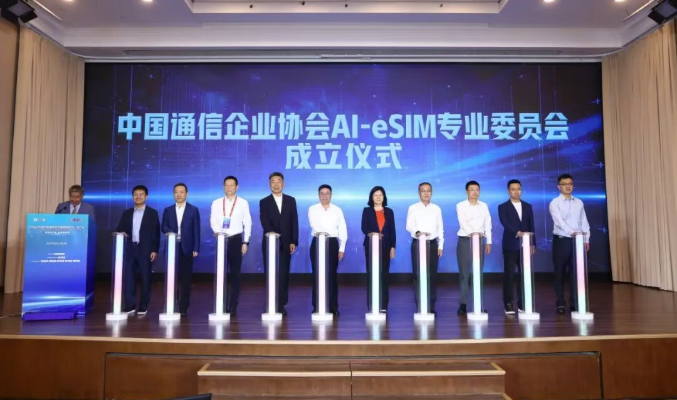
From a highly anticipated industry topic at MWC to this now well-defined industry framework, a clear signal has been released: 2026 will be the year that the eSIM industry moves from "technically feasible" to "large-scale commercial application."
In the AI Era, eSIM Intelligently Reconstructs Connection Logic
In the past, SIM cards were an indispensable connection carrier in the mobile internet era, undertaking the basic functions of identity authentication and access to mobile communication networks. However, as artificial intelligence enters the terminal era, the traditional SIM card's "networking" function is no longer sufficient to meet the higher-level needs of smart terminals, such as model invocation, intelligent agent collaboration, and security and reliability.
The arrival of eSIM not only represents an upgrade in connection methods but also becomes a crucial foundational capability driving terminal intelligence, globalized services, and digital transformation.
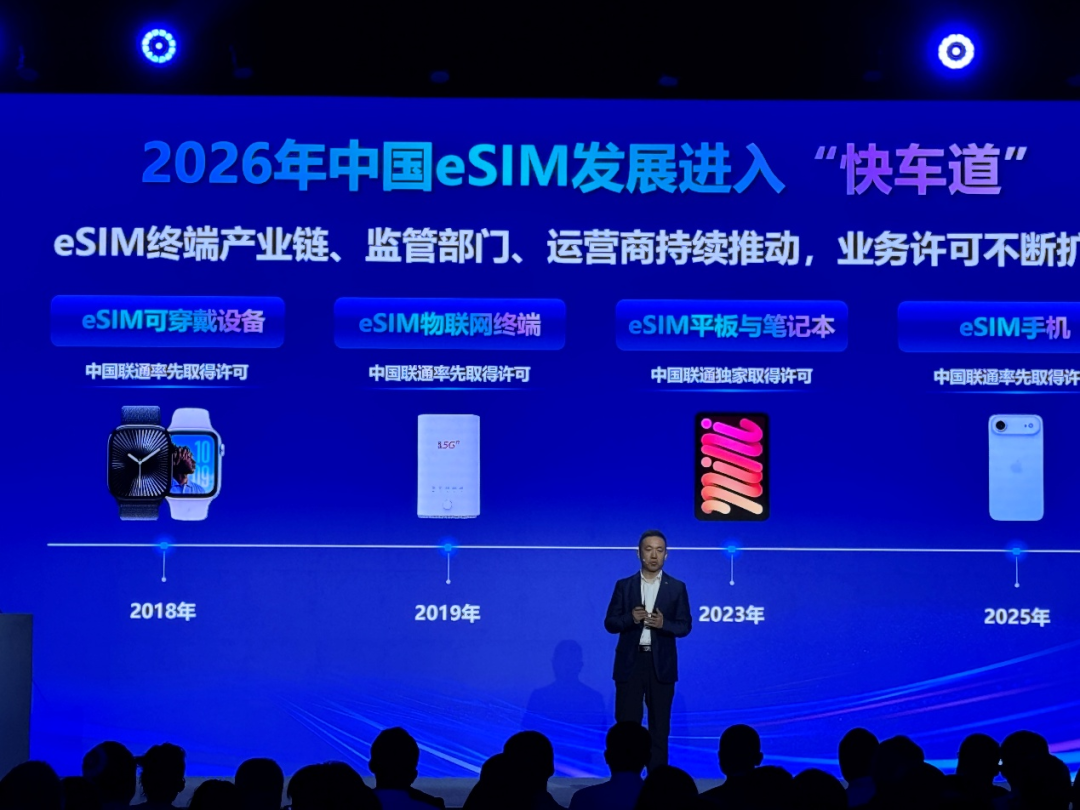
The new pattern of “multi-SIM freedom” for eSIM mobile phones
On October 13, 2025, the three major operators collectively announced that they had received approval from the Ministry of Industry and Information Technology for the commercial use of eSIM mobile phones. Subsequently, the Chinese version of iPhone Air was officially launched, becoming the first mobile phone to support eSIM in the Chinese market. Immediately afterwards, mainstream brands such as OPPO, Huawei, Honor, Samsung, and Lenovo also launched domestic models that support eSIM.
Looking at the eSIM phones currently on the market, they can be basically divided into three categories, which are sufficient to meet the card usage needs of different people:
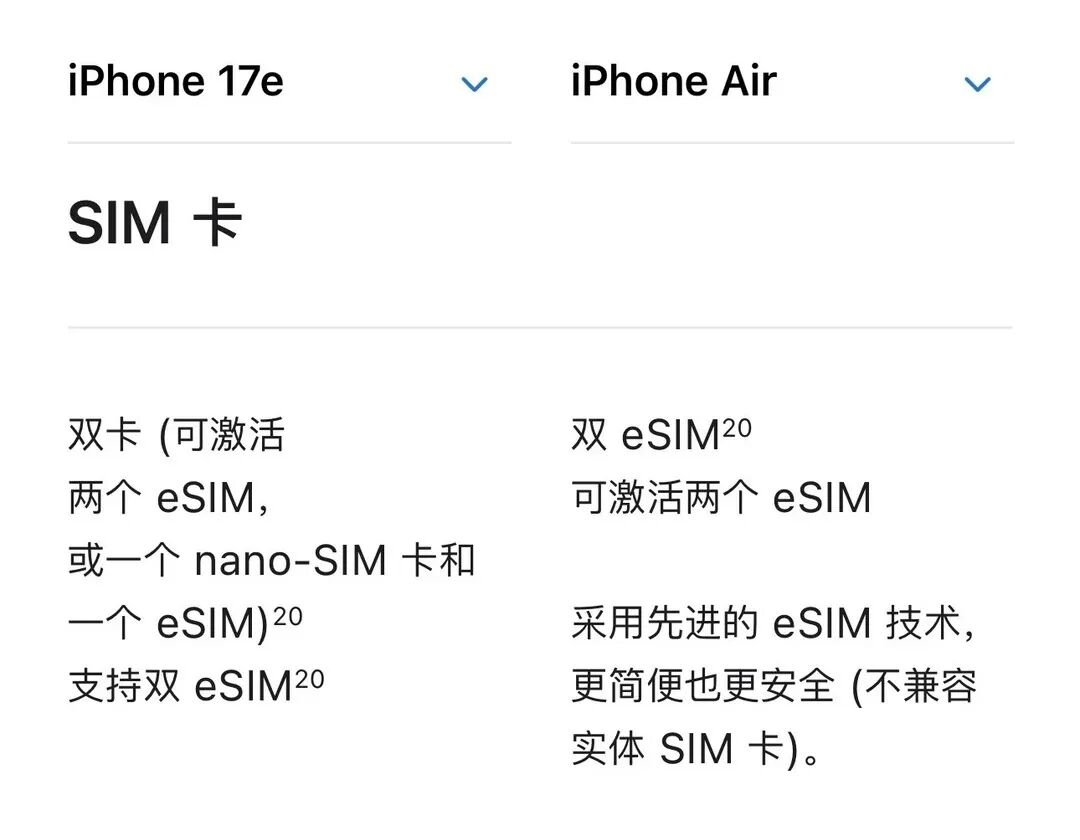
The first type of "dual SIM": Two eSIMs (pure eSIM solution)
These models completely eliminate the physical SIM card slot; all numbers are written via the eSIM.
● Representative model: iPhone Air
● Suitable for: Tech enthusiasts, users with stable dual SIM needs, and users who reside abroad frequently.
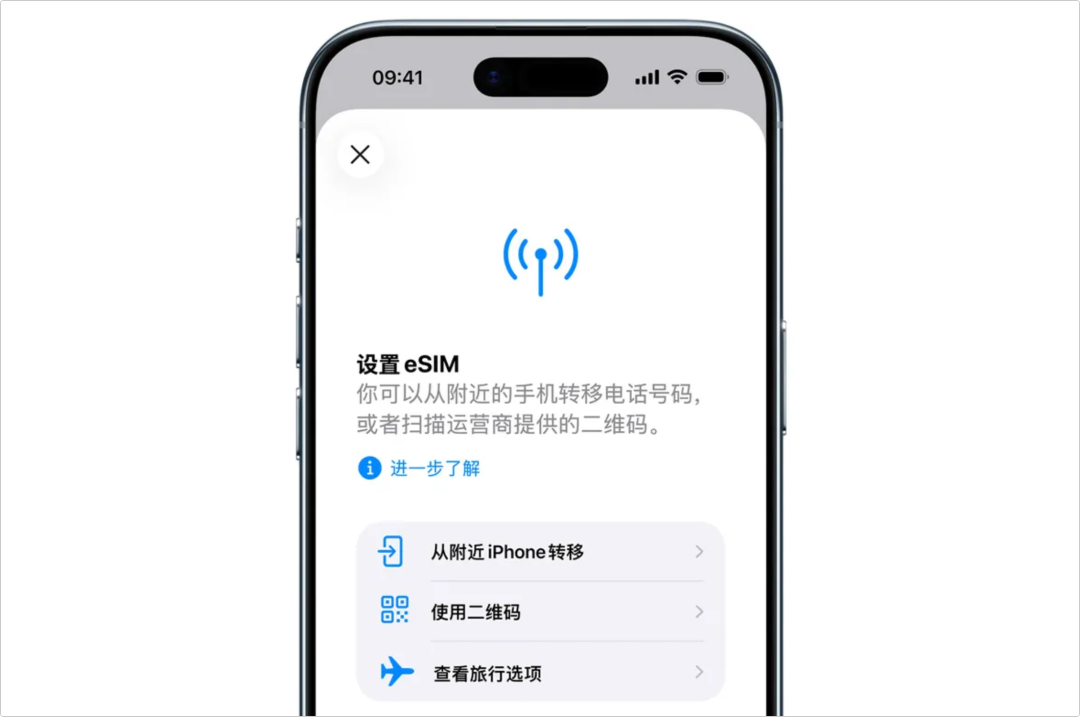
The second type of "triple card" : 1 SIM card + 2 eSIMs
Supports two eSIMs, allowing for seamless switching between domestic and international numbers; retains one physical SIM card slot, so users accustomed to physical cards won't feel lost.
● Representative model: iPhone 17e
● Suitable for: Business travelers and students, meeting the needs of a local SIM card + out-of-town/campus SIM card + data-only SIM card; overseas users can achieve seamless integration of an international eSIM + a domestic eSIM + a domestic SIM card.
The third type of "quad-SIM": 2 SIM cards + 2 eSIMs
Quad-SIM dual standby is currently the standard configuration for Android and HarmonyOS eSIM phones, allowing one phone to handle all communication needs.
● Representative models: OPPO Find X9 Pro Satellite Communication Edition, Huawei Mate 80 RS Master, Huawei Pura X Max series, Huawei Pura 90 Pro Max, Honor Magic8 Pro Air, Samsung Galaxy S26 series, Lenovo Legion Y70 New Generation, etc.
● Suitable for: Business professionals, eliminating the hassle of carrying multiple phones; frequent cross-border travelers/students, allowing for seamless switching between physical SIM cards and eSIMs without frequent SIM card or device changes.
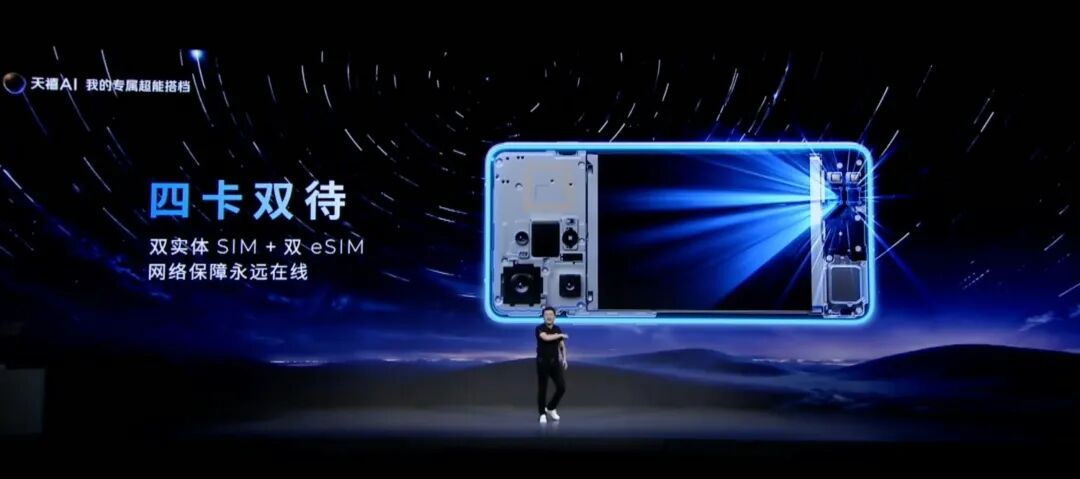
From dual-SIM to quad-SIM multi-SIM freedom, from local to cross-border seamless connectivity, the communication revolution brought about by eSIM is reshaping everyone's digital life in a way that is "unnoticeable yet ubiquitous".
Talk2all eSIM: A Convenient New Option for Cross-Border Internet Access
While activating an eSIM in China still requires visiting a physical store, Talk2all eSIM offers a convenient, fully self-service option for travelers, international students, and tourists with cross-border internet access needs. This includes online purchase, QR code activation, top-up and after-sales support.
No need to bear exorbitant roaming fees, queue at airports to rent WiFi, or bother with obtaining a local SIM card. Talk2all eSIM redefines cross-border internet access with its global network coverage, localized pricing, and instant-use convenience.
Its debut at MWC26 Shanghai garnered significant attention and praise from industry partners worldwide.
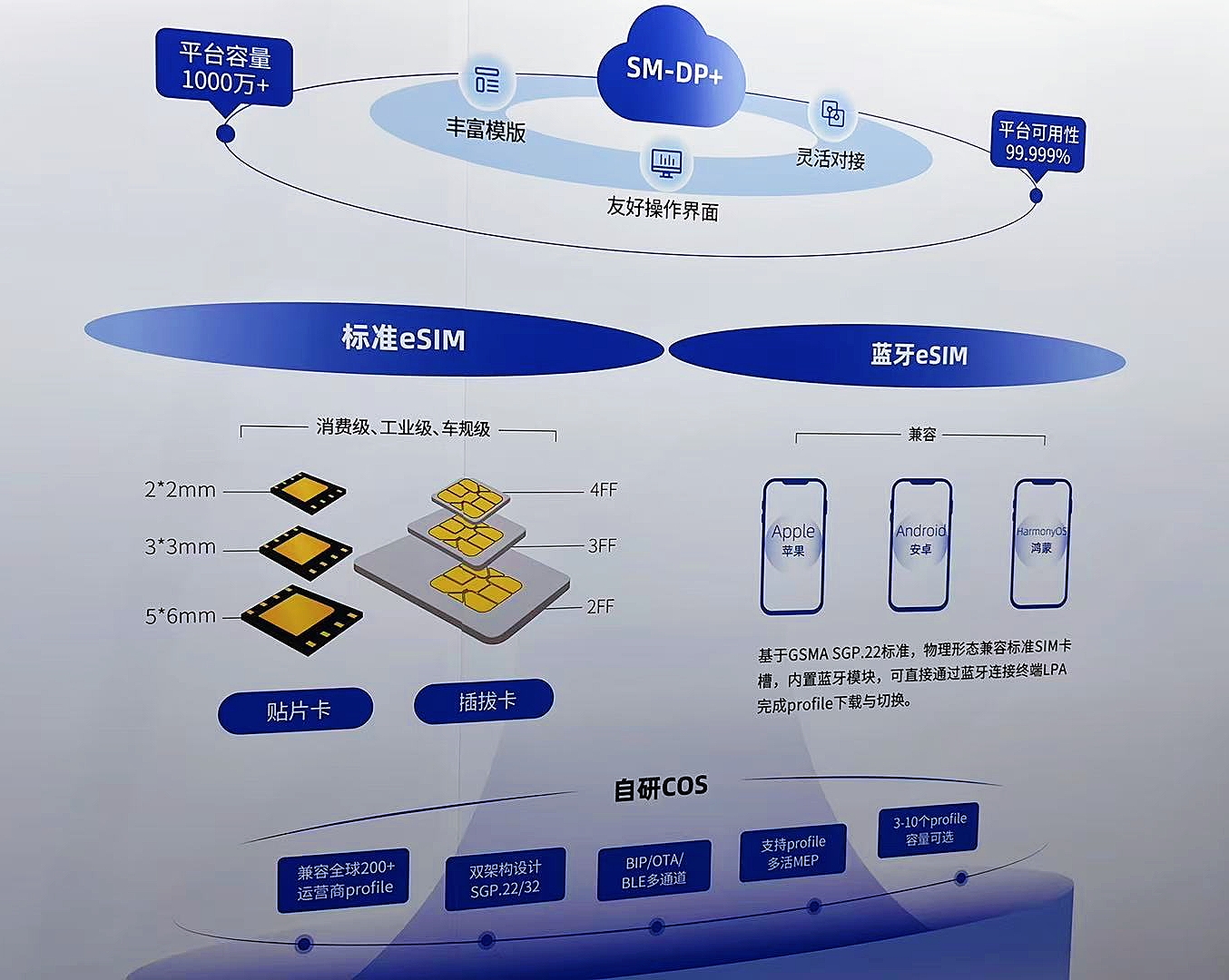
For devices that do not support eSIM, Talk2all writes the eSIM configuration file into the physical card, enabling flexible conversion from eSIM to physical card. This adapts to various mobile terminals and perfectly solves the immediate network needs in scenarios such as cross-border travel, international business, and short-term overseas assignments.
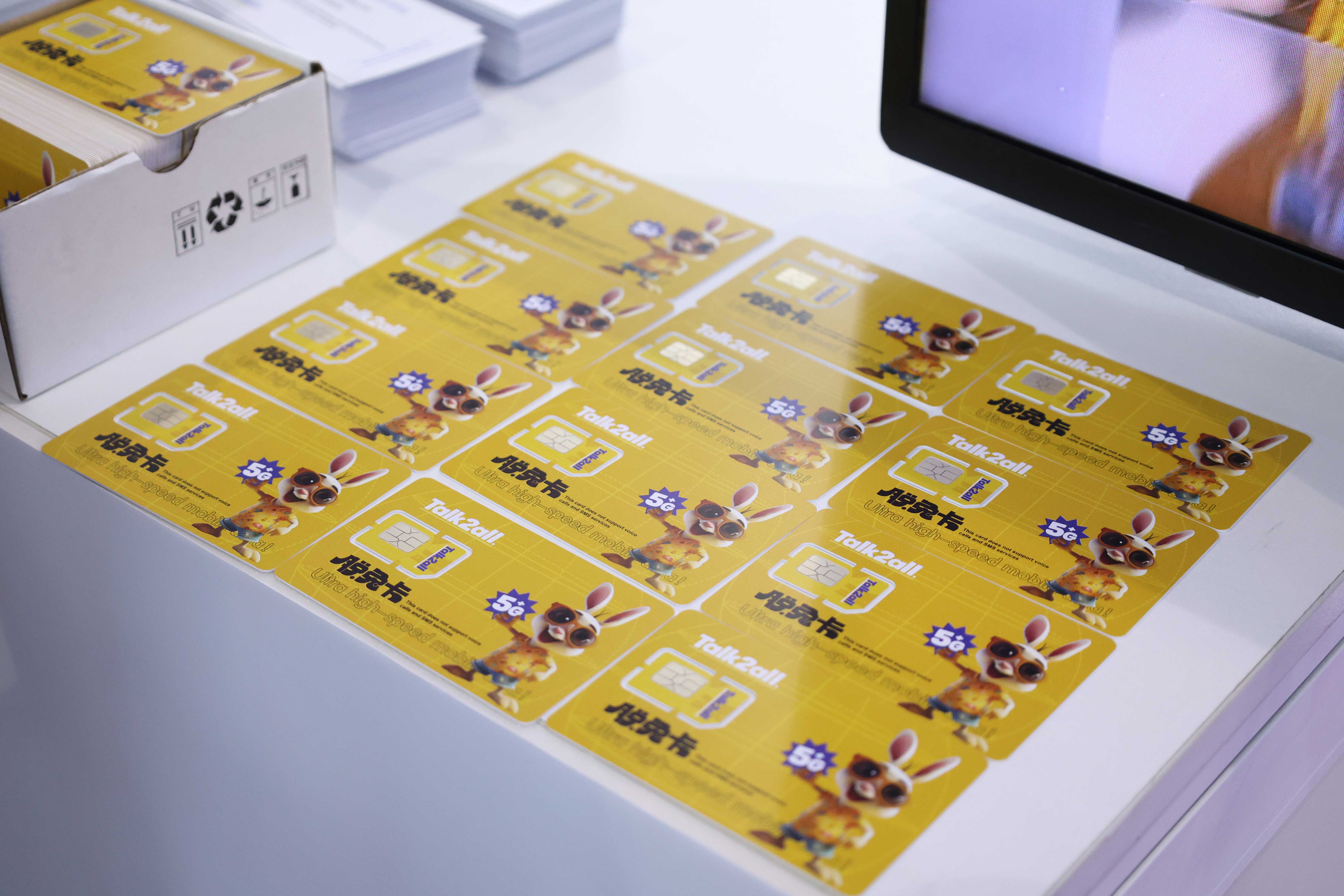
The wave of eSIM in China has arrived. Talk2all will rely on its self-developed international traffic management platform to continuously promote the intelligent upgrade of communication services, gather the power of AI, improve the efficiency and experience of cross-border Internet access, and make every connection simpler and more convenient.